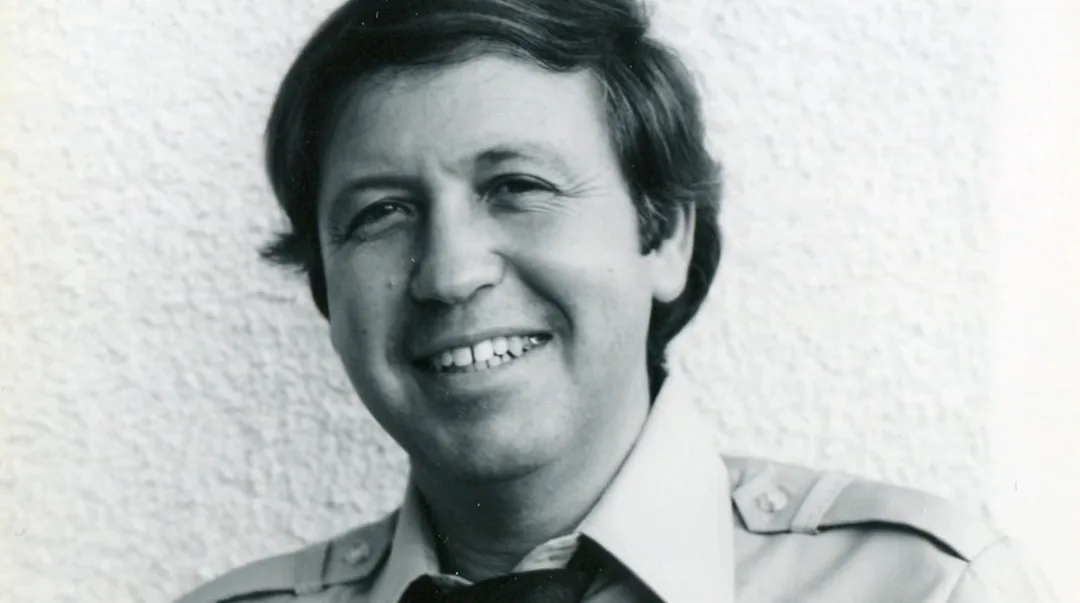
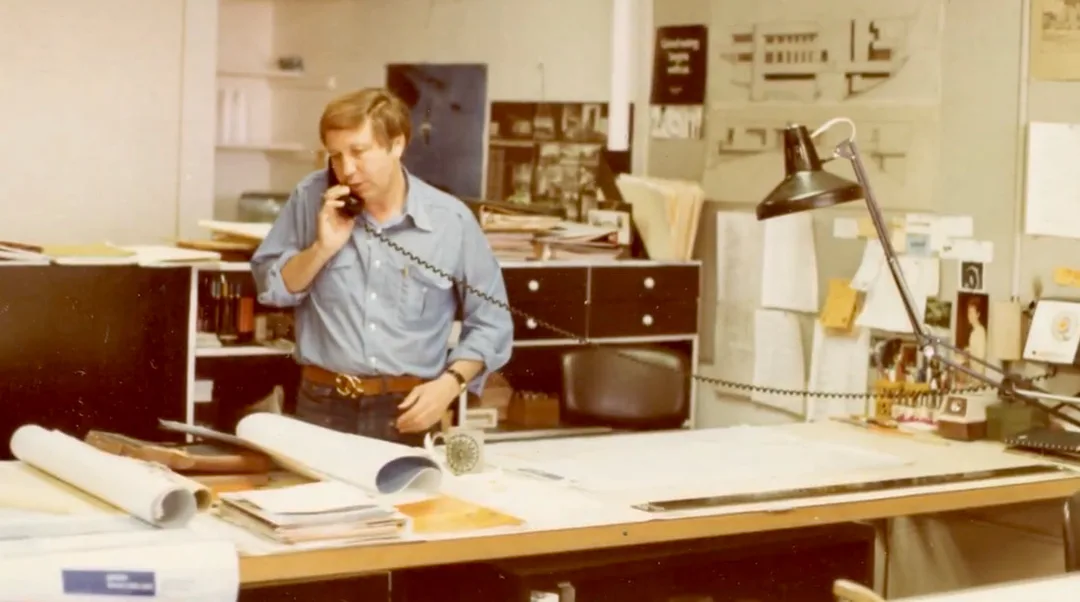
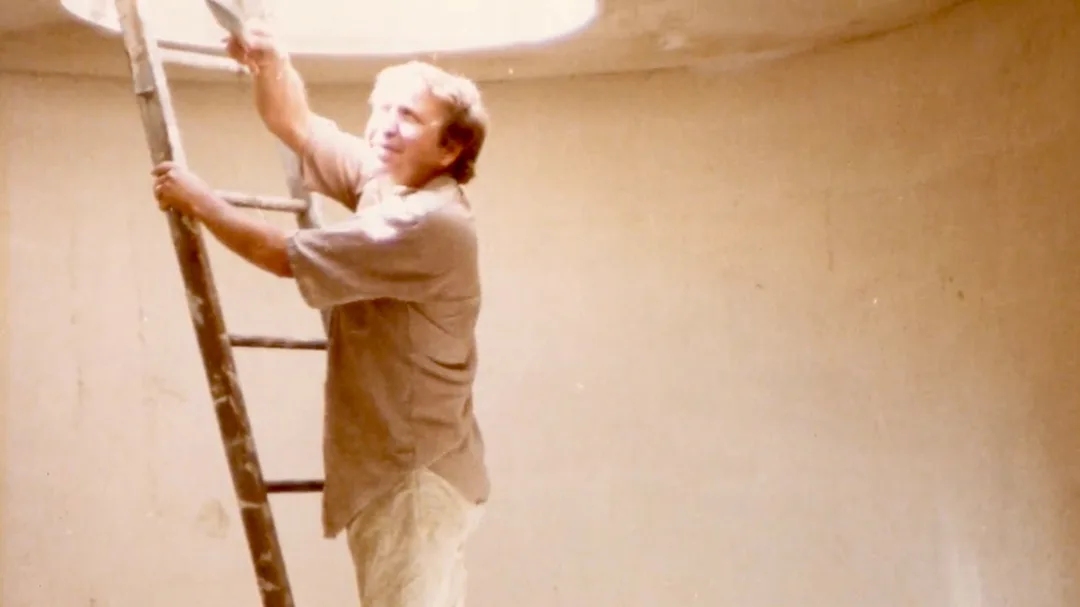
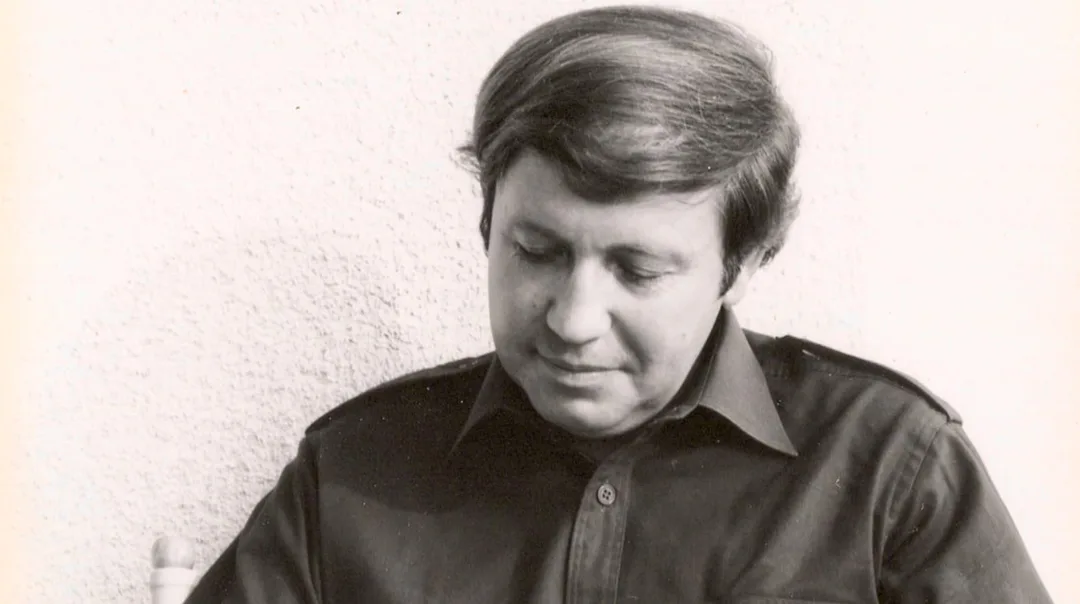
Martin B. Gelber, FAIA (1936–2019) was an award-winning architect whose five decade career combined modernist design with environmental innovation and civic leadership. A lifelong Angeleno, Gelber graduated from the University of Southern California (USC) School of Architecture, where he studied under the architectural greats A. Quincy Jones and Gregory Ain, whose teachings instilled in him a commitment to structural clarity and human-centered design. Early in his career, Gelber interned in the offices of both Richard Neutra and Gregory Ain, where he gained firsthand experience with disciplined spatial logic and environmental sensitivity – elements that would define his own architectural voice.
Gelber's guiding belief -- that architecture should enrich the joy and drama of everyday living -- was reflected in his thoughtful use of natural materials like redwood, glass, and period tile, along with his extensive use of floor-to-ceiling windows that blurred the line between indoor spaces and their outdoor settings, often incorporating sustainable and energy-conserving elements.
Gelber’s work encompasses a range of refined modern residences and commercial projects throughout Southern California. His most celebrated project, the Gelber Residence (1978) in the Crestwood Hills neighborhood of Brentwood, was the first home in California to receive a federal energy tax credit, part of the 1978 National Energy Act --recognized for its pioneering use of solar orientation, shading fins, thermal massing, and natural ventilation. Other significant works include the Goldman Residence (1969) in Brentwood, the Fisher Residence in Ventura, the Morris Residence (1995) in Bell Canyon, and the sculptural Cassandre Salon (1974). Across these projects, Gelber demonstrated a mastery of proportion, materiality, and environmental responsiveness.
Beyond his design work, Gelber was a dedicated advocate for the historical preservation of various landmarks in Los Angeles, with a particular emphasis on their design significance. His primary concern was the loss of institutional memory. Among his many contributions -- he played a key role in establishing Heritage Square, a historic neighborhood featuring preserved 19th-century Victorian homes.
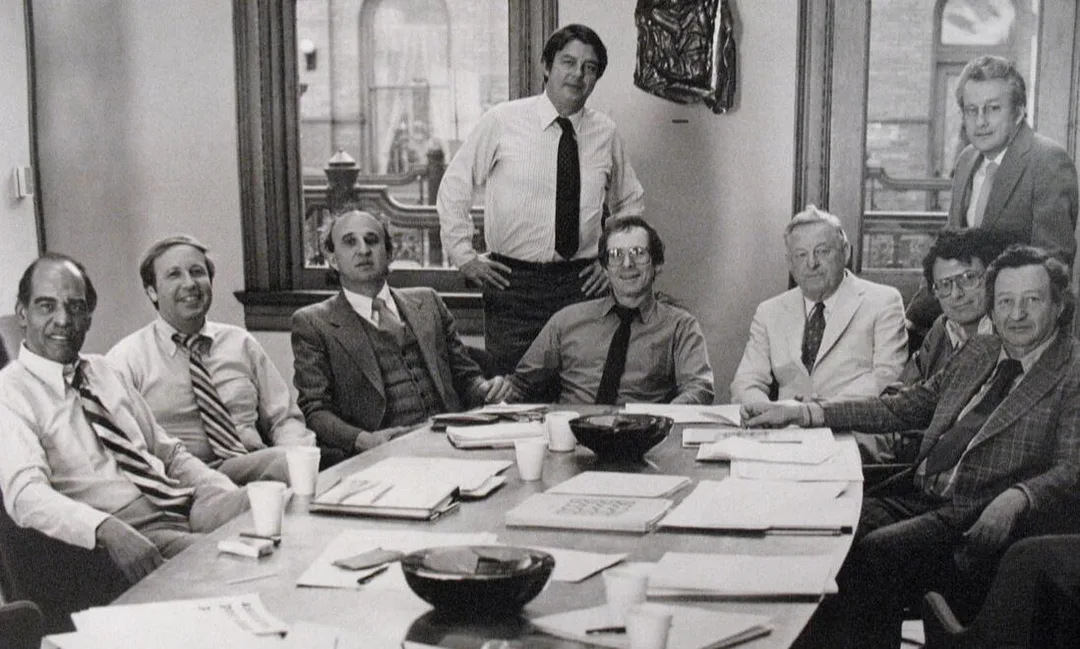
In 1984, Gelber was elected president of the Los Angeles chapter of the American Institute of Architects. During that year, as the city hosted the Olympic Games, he launched the landmark exhibition “84 in ’84” to recognize eighty-four esteemed Los Angeles architects. This exhibition represented the connection between athletics and design, celebrating excellence in two demanding fields.
Gelber was also deeply committed to helping people understand how architecture, the environment, and historic preservation shape their lives. In 1964 -- decades before Leadership in Energy and Environmental Design (LEED) certification -- he curated the groundbreaking traveling (1964-1974) exhibition “Project Environment USA.” Featuring 150 photographs by renowned architectural photographer Julius Shulman, it aimed to raise awareness among interior designers, artists, landscape architects, and the general public about the profound impact of architecture and design on our environment.
Hazel O’Leary, U.S. Secretary of Energy under President Bill Clinton, chose the Gelber Residence as the backdrop for a Department of Energy meeting in Los Angeles focused on efficient and renewable energy – where he also addressed the group. Gelber’s civic leadership and strong ties to the AIA, preservation organizations, and the broader architectural community helped bring both him and the residence to the Department’s attention.
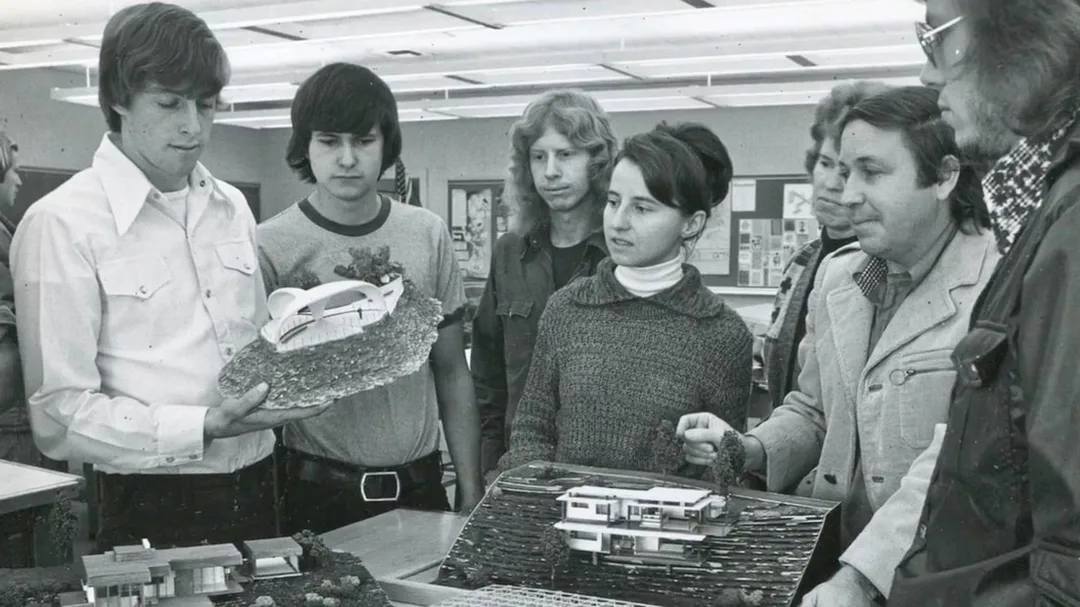
Gelber was also a devoted educator. For more than 40 years, he taught architecture at Los Angeles Pierce College, where he helped develop one of the first accredited transfer pathways to a Bachelor of Architecture degree. He later served as a Visiting Professor at USC, which honored him in 2013 with its “Architectural Guild Distinguished Alumnus” award.
Generations of students have credited him as the most influential figure in their academic lives. Through his buildings, his teaching, and his preservation leadership, Martin Gelber left an enduring imprint on the architectural landscape of Los Angeles-- an architect whose work continues to embody his belief that architecture should enrich the joy and drama of living.
"Architecture should enrich the joy and drama of living." - Martin Gelber, FAIA